END-TO-END UX PROJECT

Helping novice gardeners build confidence through digital guidance.

Helping novice gardeners build confidence through digital guidance.

Helping novice gardeners build confidence through digital guidance.

An end-to-end UX project exploring how a digital product could encourage younger urban residents to grow plants and support pollinator biodiversity through education, motivation, and community.

An end-to-end UX project exploring how a digital product could encourage younger urban residents to grow plants and support pollinator biodiversity through education, motivation, and community.

Role — Lead UX Researcher

Methods — Surveys, Direct observation, Semi-structured interviews, Affinity mapping, Wireframing, Prototyping, Usability testing
Duration — 12 weeks

Problem statement

Making gardening more accessible for beginners.

Making gardening more accessible for beginners.

Making gardening more accessible for beginners.

Many first-time gardeners wanted to grow pollinator-friendly plants but lacked the confidence and knowledge to get started. Research explored the barriers preventing participation and informed the design of a mobile experience that made gardening feel more approachable, achievable, and rewarding.

Low participation

People aged 19–24 and 25–40 were the least likely to garden.

Low confidence

Many participants didn't feel knowledgeable enough to care for plants.

Awareness gap

Greater awareness of pollinator decline increased interest in gardening.

Research methods

A mixed qualitative approach to capture work as it happened.

A mixed qualitative approach to capture work as it happened.

A mixed qualitative approach to capture work as it happened.

Four methods, one research narrative

Secondary research

Understanding the problem

Secondary research

Understanding the problem

Surveys & Interviews

Understanding motivations and barriers.

Surveys & Interviews

Understanding motivations and barriers.

Co-design sessions

Generating concepts with users

Co-design sessions

Generating concepts with users

Usability testing

Evaluating the prototype

Usability testing

Evaluating the prototype

SYNTHESIS

Translating insights into design opportunities.

Translating insights into design opportunities.

Translating insights into design opportunities.

RESEARCH FINDING

Lack of confidence in growing plants


Limited knowledge of plant care


Users were motivated by community and visible progress

OPPORTUNITY

Build confidence through simple, step-by-step guidance


Make plant care accessible through timely education and personalised support


Encourage long-term engagement through progress tracking and social interaction

Concept development

Evaluating concepts through user needs.

Evaluating concepts through user needs.

Evaluating concepts through user needs.

Two concepts were developed to address the key barriers identified during research. Each explored a different approach to improving confidence, motivation, and engagement before a final direction was selected.

Concept A: A monthly subscription service providing wildflower kits, educational content, and charitable contributions to pollinator conservation.

Concept B: A mobile application that helps users identify plants, learn care routines, and build confidence through reminders and rewards.

CONCEPT SELECTION: GAMIFIED PLANT CARE APP

CONCEPT SELECTION: GAMIFIED PLANT CARE APP

Why this concept was selected

Addressed users' lack of gardening knowledge and confidence


Supported long-term behaviour change through reminders and rewards


Could be scaled without physical product fulfilment


Best aligned with the project's educational objectives

PROTOTYPE DEVELOPMENT

Designing for confidence and engagement.

Designing for confidence and engagement.

Designing for confidence and engagement.

Key workshop findings that informed the prototype:

  • Users wanted visible progress to stay motivated.

  • Community interaction and accessible guidance increased confidence and engagement.

CORE PRODUCT FEATURES:

CORE PRODUCT FEATURES:

PROGRESS

Provides progress tracking, achievable tasks, and rewards to maintain motivation and encourage regular engagement.

EDUCATION

Provides clear, accessible plant-care guidance to build user confidence

COMMUNITY

Enables users to learn from others, share experiences, and stay motivated through community interaction.

DESIGN IMPROVEMENTS

Reducing friction through design.

Reducing friction through design.

Reducing friction through design.

Research insights were translated into four key improvements that addressed users' confidence, motivation, learning, and long-term engagement. Each feature directly responded to barriers identified throughout the research phase.

IMPROVEMENT 01 - MAKING PROGRESS VISIBLE

Existing Experience

Insights:

02

01

Users lacked confidence in plant care.

Users wanted visible progress and achievable actions.

Proposed Experience

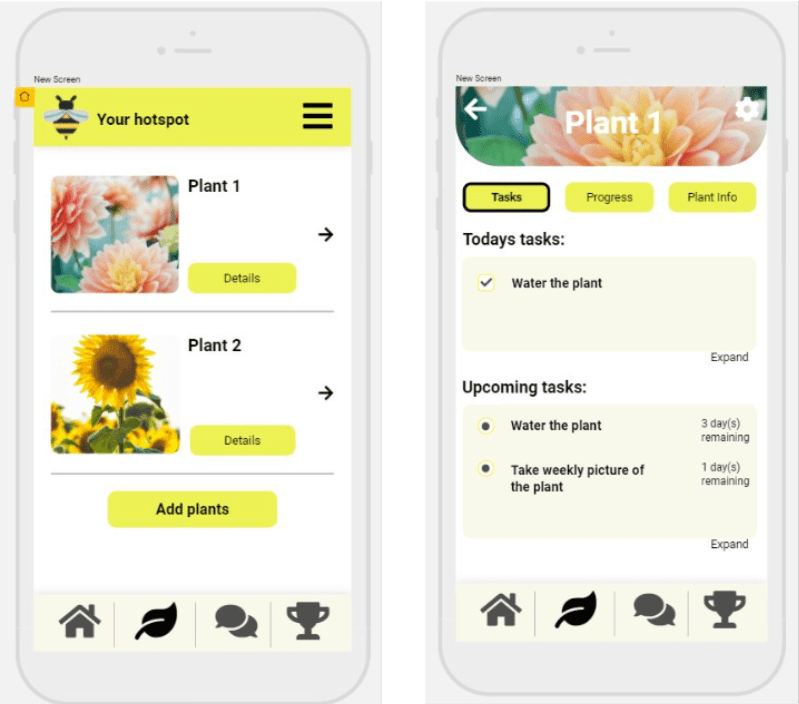
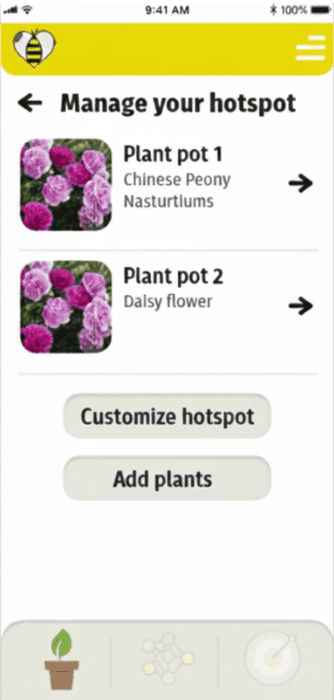
01 GARDEN DASHBOARD

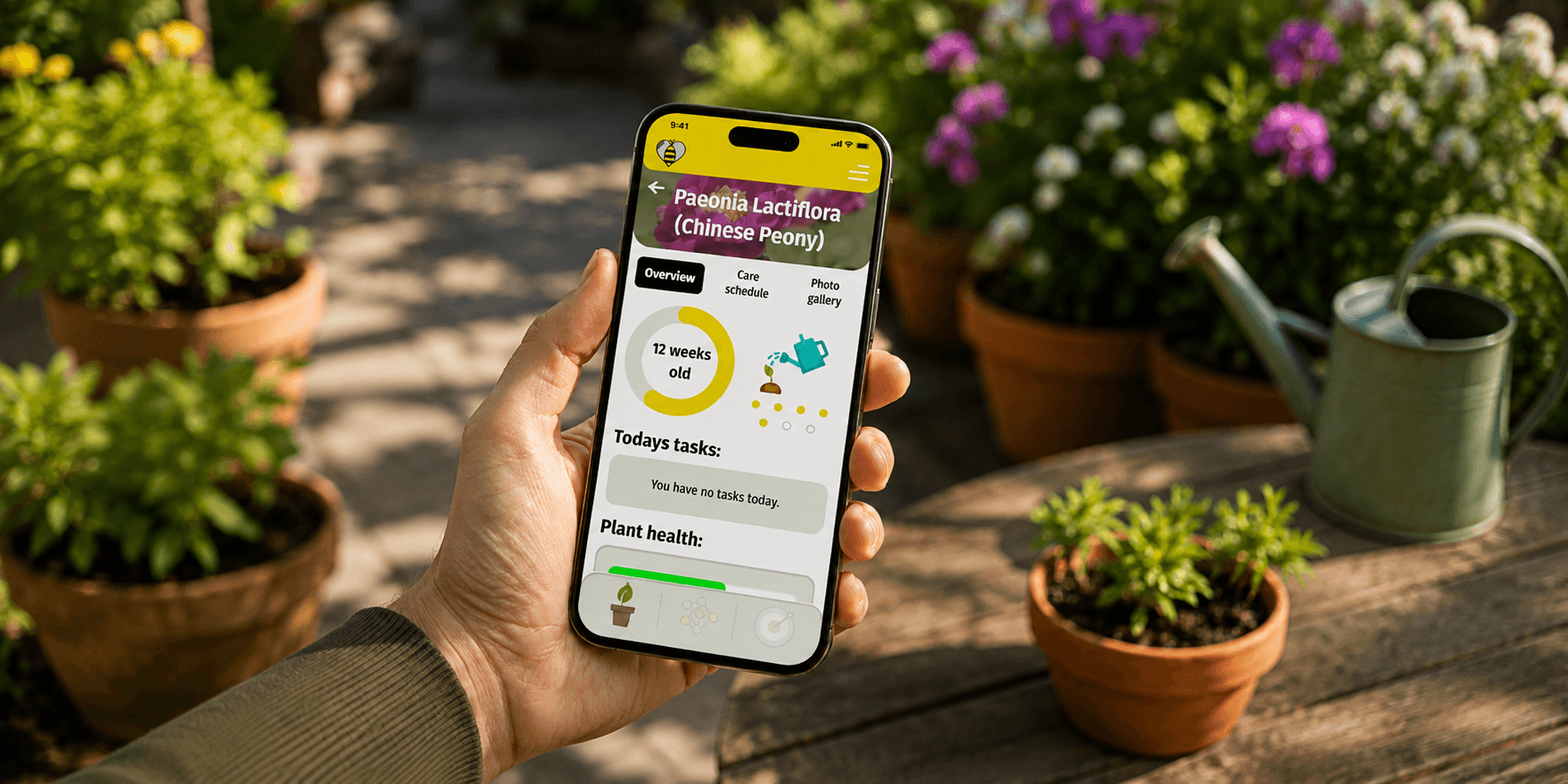
Visualising plants within a virtual garden makes progress tangible and simplifies day-to-day management.

02 GUIDED PLANT CARE

Guided tasks and plant-specific information.

03 VISIBLE PROGRESS

Visual garden growth and task-based progression.

IMPROVEMENT 02 - BUILDING CONFIDENCE

Existing Experience

Insights:

02

01

Users wanted reassurance that they were caring for plants correctly.

Users lacked confidence identifying plant health issues.

Proposed Experience

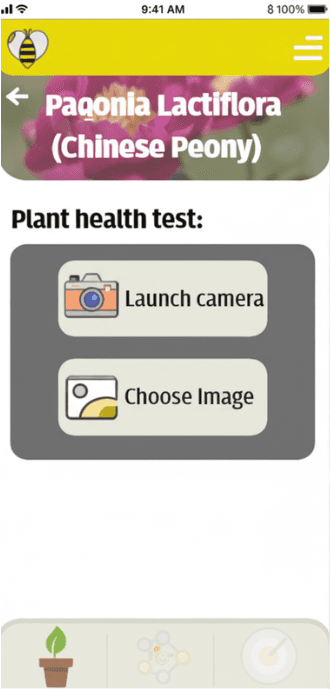
01 SIMPLE HEALTH ASSESSMENT

Users can use their camera to assess the health of their plants.

02 ACTIONABLE FEEDBACK

Visual feedback provided to give the user clear instruction and confidence.

IMPROVEMENT 03 - ENCOURAGING COMMUNITY LEARNING

Existing Experience

Insights:

01

Community interaction increased engagement and accountability.

Proposed Experience

01 USER PROFILES

Users can edit their own profile.

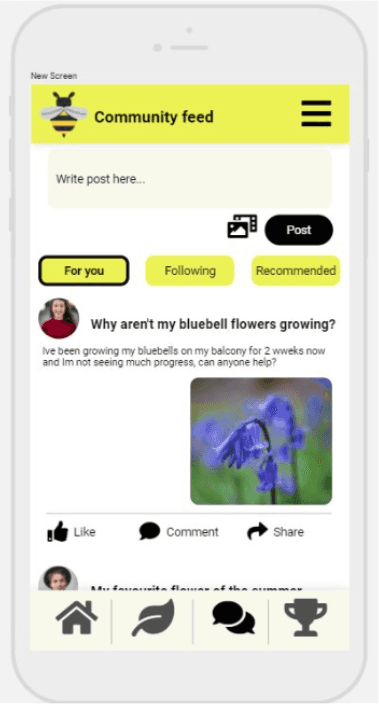
02 COMMUNITY ENGAGEMENT

Community feed allow gardeners to share progress, seek advice, and stay motivated through social interaction and peer support.

IMPROVEMENT 04 - LONG-TERM ENGAGEMENT

Existing Experience

Insights:

02

01

Community and friendly competition increased user motivation.

Community interaction increased engagement and accountability.

Proposed Experience

01 DIRECT MESSAGING

Allows users to ask questions and build relationships with other gardeners.

02 ACHIEVEMENT SYSTEM

Series of plant care related tasks the user can complete to gain points.

03 FRIENDLY COMPETITION

Visual points leaderboard to compete against other gardeners.

EVALUATION

Reflecting on the Process

Reflecting on the Process

Reflecting on the Process

This project reinforced the importance of validating concepts through continuous user research and co-design. Designing around users' confidence and motivation, rather than simply providing information, resulted in a more engaging and meaningful solution.

Contact

Interested in working together?

I'm always happy to chat about research-led product design, UX opportunities, or simply exchange ideas about building better products. If my work resonates with you, I'd love to hear from you.

View Linkedin